Introduction
Dealing with kidney stone pain can be an overwhelming experience. In this comprehensive guide, we’ll delve into the world of kidney stones, unraveling their causes, symptoms, effective pain relief strategies, and steps to prevent their formation.
Table of Contents
Understanding Kidney Stones:
Kidney stones, scientifically known as nephrolithiasis, are solid mineral and salt deposits that take shape within the kidneys. These stones vary in size from tiny grains to small pebbles and can trigger intense pain when they block the urinary tract.
Common Causes:
Dehydration: Not drinking enough water can lead to concentrated urine, creating an environment favorable for stone formation.
Diet: Consuming too many foods high in oxalates (like spinach and chocolate) or animal protein can contribute to stone growth.
Genetics: A family history of kidney stones can increase the likelihood of developing them.
Health Conditions: Conditions such as hyperparathyroidism and urinary tract infections can encourage stone formation.
Weight Factors: Being overweight can change urine composition and facilitate the formation of stones.
Symptoms of Kidney Stone Pain:
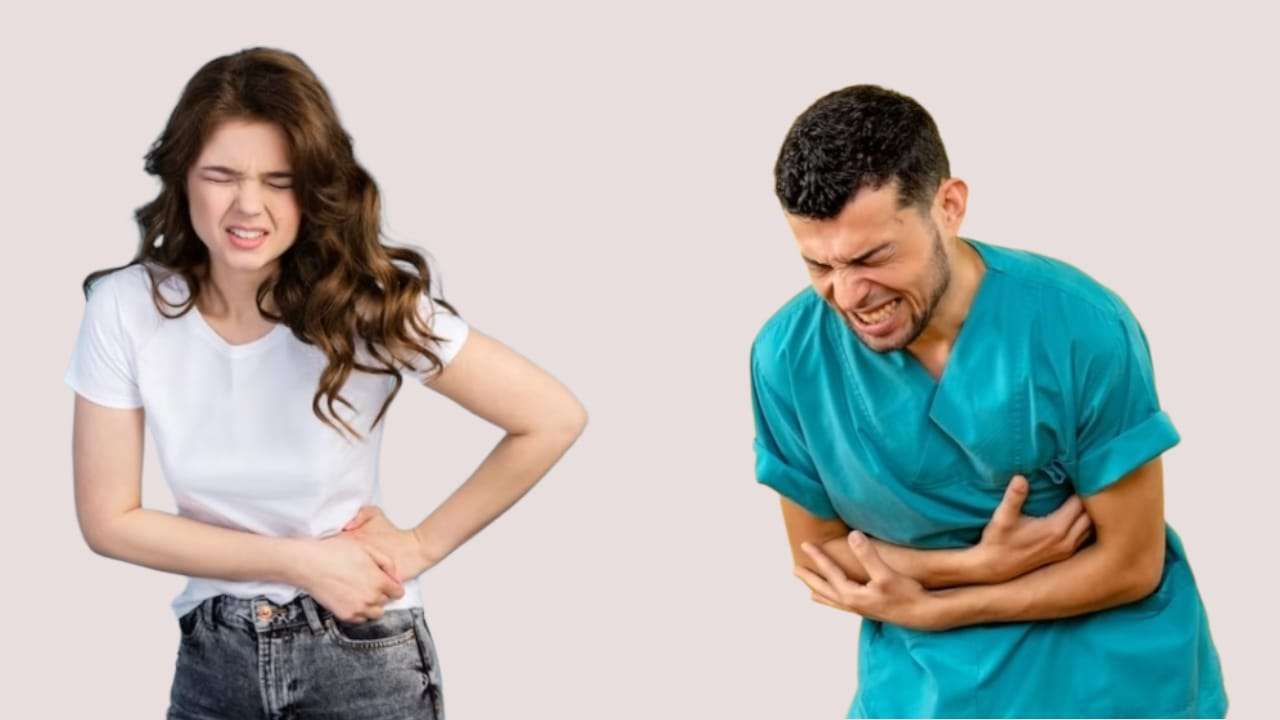
Flank Pain: Intense pain in the back or side, often radiating to the lower abdomen and groin.
Wave-like Sensation: Pain tends to come and go in waves of varying intensity.
Discomfort During Urination: Stones can cause irritation and discomfort while passing urine.
Blood in Urine: Presence of blood in urine (hematuria) due to irritation from stones.
Simplified Pathophysiology:
How Kidney Stones Form: Inside Story
Kidney stones might sound like little rocks, but they’re actually more like tiny crystals that can cause big trouble. Here’s how they come about.
Crystal Clues: Imagine your kidneys as busy filters. They clean your blood and make pee. Sometimes, minerals like calcium, oxalate, and others team up and make tiny crystals in your pee. Most of the time, these crystals are so small you don’t even notice.
Crystal Growth: But sometimes, those crystals stick together and start growing. Imagine them like building blocks stacking up. As they grow, they can form a small clump—this is the start of a kidney stone.
Blocking the Flow: As the kidney stone gets bigger, it can block the tubes in your kidneys or the tubes that carry pee from your kidneys to your bladder. It’s like a traffic jam in your pee system.
Pain and Discomfort: When the stone blocks the pee tubes, it can cause pain. This pain usually starts in your back, sides, or belly, and can move to your groin. It’s often really intense and can come in waves.
Trying to Pass: Your body tries to push the stone out by making you want to pee a lot and feel uncomfortable. If the stone is small, you might pee it out without much fuss. But if it’s big, passing it can be tough and might need medical help.
Causes and Types: Different things can lead to kidney stones, like not drinking enough water, eating too much salt or certain foods, or having certain medical conditions. There are different types of kidney stones, like calcium stones or uric acid stones, depending on what the crystals are made of.

Coping Strategies for Pain Relief:
Stay Hydrated: Drinking plenty of water helps flush out small stones and prevents new ones from forming.
Pain Relievers: Over-the-counter pain medications and prescribed drugs can help manage pain.
Heat Application: Applying a warm compress eases muscle tension and provides relief.
Position Changes: Gentle movements, such as walking, can help alleviate discomfort.
Medical Procedures: For large stones causing severe pain, procedures like lithotripsy may be necessary.
Preventing Kidney Stones:
Stay Hydrated: Drinking enough water maintains clear urine, reducing stone risk.
Balanced Diet: Consume a variety of foods, moderate oxalate-rich options, and limit salt intake.
Mind Protein Intake: Consume protein in moderation to prevent excessive stone-forming compounds.
Citrus Inclusion: Citrate-rich foods like lemons can deter stone formation.
Seek Guidance: If prone to kidney stones, consult a healthcare professional for personalized advice.
When to Seek Immediate Medical Care:
Severe Pain: Intolerable pain that disrupts daily life requires urgent medical attention.
Fever and Chills: These signs might indicate infection, necessitating medical intervention.
Blood in Urine: If accompanied by intense pain or unusual urine color, prompt help is crucial.
Conclusion:
Kidney stone pain is challenging, but understanding causes, recognizing symptoms, and adopting effective strategies for pain relief and prevention can help you manage these difficult moments. By staying hydrated, adjusting your diet, and seeking medical assistance when needed, you can alleviate kidney stone pain and focus on maintaining kidney health.