Introduction:
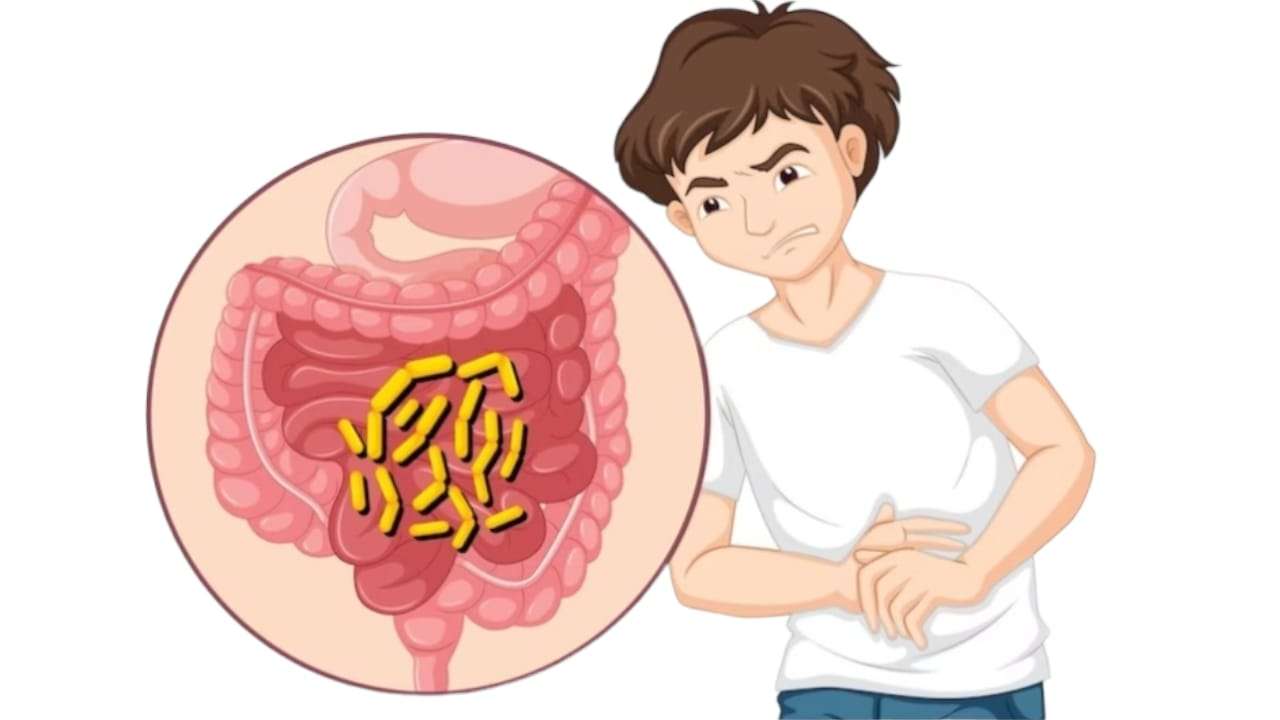
Have you ever experienced a sudden rush to the bathroom, like a surprise rainstorm on a sunny day? This is what we call diarrhea. In this exploration, we’ll dive into the world of diarrhea. We’ll find out why it happens, how to recognize it, explore ways to manage it, and discover steps to prevent it.
Table of Contents
Understanding Diarrhea:
Diarrhea can be like your body’s way of telling you that something’s not quite right in your tummy. Let’s uncover the mystery behind it.
Simple Explanation of How It Happens:
Think of your intestines like a conveyor belt that moves food along. Sometimes, the conveyor belt speeds up, and your body doesn’t have enough time to take in water from the food. This leads to watery stools – that’s diarrhea.
Common Causes of Diarrhea:
- Food Bugs: Eating contaminated food or water can upset your stomach and lead to diarrhea.
Example: Consuming uncooked chicken can introduce harmful germs that cause diarrhea. - Pesky Viruses: Viruses like the stomach flu can irritate your intestines and trigger diarrhea.
Example: The norovirus is one such virus that can make you rush to the restroom. - Medications: Some medicines can make your stomach unhappy and cause diarrhea.
Example: Antibiotics can disturb the balance of good bacteria in your gut, leading to diarrhea. - Food Sensitivities: For some, certain foods don’t agree with their tummy, causing diarrhea.
Example: If milk makes your tummy act up, you might have diarrhea after drinking it.

Simplified Pathophysiology of Diarrhea
1. Intestinal Fluid Secretion: In a healthy intestine, water and electrolytes are absorbed effectively. However, when diarrhea strikes, there’s a surge in fluid secretion into the intestinal tract. This can be attributed to various factors:
- Enterotoxins: Some bacterial toxins (like the cholera toxin) and viral proteins stimulate the intestinal lining. This stimulation prompts an excessive release of chloride ions into the gut, leading to more water moving into the intestines. The outcome? Watery stools.
- Inflammatory Responses: Infections or underlying conditions can trigger inflammation that disrupts the usual ion transport. Immune cells release cytokines, which mess with ion channels and transporters, causing imbalances in fluid.
2. Impaired Water and Electrolyte Absorption: During diarrhea, the normal absorption of water and electrolytes gets a hit:
- Damage to Villi and Microvilli: Infections, inflammation, or certain medications can damage the microvilli on the intestinal cells’ surface. These tiny projections significantly boost the surface area for absorption. Without them, absorption efficiency dips.
- Troubled Ion Transport: Ordinarily, sodium gets transported actively from the gut’s inner space to the cells. Water tags along. But when diarrhea’s in play, disrupted ion channels and transporters put a damper on sodium and other electrolyte absorption, which in turn, hampers water absorption.
3. Osmotic Diarrhea: Sometimes, substances in the intestinal tract create an osmotic imbalance that messes with water absorption:
- Unabsorbed Nutrients: Think lactose intolerance. When there’s undigested lactose around, water gets drawn due to its osmotic pull. The result? Osmotic diarrhea.
4. Rapid Intestinal Transit: In certain cases, the stuff in your gut zips through too quickly, not leaving enough time for proper absorption:
- Infections and Inflammation: Irritation from infections or inflammation can crank up gut motility. When things move too fast, there isn’t sufficient time for water and nutrients to be soaked up.
5. Gut Microbiota Shake-up: The bacteria in your gut have a big role in maintaining gut health and absorption. Disturbing the balance of these critters – often due to infections or antibiotics – can mess with absorption.
6. Neuroendocrine Factors: The “gut brain” and various hormones help regulate gut movements, secretion, and absorption. Any hiccups in these pathways can lead to diarrhea.
7. Malabsorption Syndromes: In chronic conditions like celiac disease or inflammatory bowel diseases, the intestine’s lining gets damaged, impairing nutrient absorption. This long-term malabsorption can lead to ongoing diarrhea.
8. Fecal Water Discharge: When diarrhea gets severe, the intestines’ inability to suck up water leads to more water coming out along with your stool.
Getting a grasp of these complex mechanisms is crucial for effectively managing and treating diarrhea. By addressing the specific cause and restoring a normal balance of fluids and electrolytes, healthcare pros can ease symptoms and pave the way for recovery.
Signs to Watch Out For:
- Bathroom Breaks: If you’re going to the restroom more than usual, that’s a sign of diarrhea.
Example: If you find yourself making multiple trips to the bathroom, it could be diarrhea. - Watery Stools: Loose, watery stools are a clear sign that you might have diarrhea.
Example: If your poop looks more like water than the usual solid, it’s probably diarrhea. - Stomach Grumbles: Feeling cramps or discomfort in your tummy often comes with diarrhea.
Example: If your tummy feels funny and cramped along with more bathroom visits, it’s likely diarrhea.
Effective Coping Strategies:
- Drink Up: Diarrhea can make you lose water, so it’s important to drink lots of fluids.
- BRAT Diet: Eating bananas, rice, applesauce, and toast can help settle your tummy.
- Rest Time: Resting gives your body a chance to recover and feel better.
- Avoid Triggers: Spicy, oily, and dairy-heavy foods can make diarrhea worse, so it’s best to avoid them.
Preventing Diarrhea:
- Clean Hands: Washing your hands often, especially before eating, keeps bad germs away.
- Safe Food Handling: Make sure to cook and store food properly to prevent stomach troubles.
- Know Your Triggers: If certain foods upset your tummy, it’s a good idea to skip them.
- Stay Hydrated: Drinking enough water helps your tummy stay happy.
When to See a Doctor:
- Lasting Diarrhea: If diarrhea sticks around for more than a couple of days, it’s time to see a doctor.
- Blood in Stools: If you notice blood in your poop, get medical help right away.
- Dehydration Signs: Feeling dizzy, having a dry mouth, or peeing dark urine could mean you’re dehydrated.
Conclusion:
Diarrhea might feel like an unwelcome visitor, but with some know-how, you can handle it like a pro. By understanding why it happens, spotting the signs, using coping tricks, and following preventive steps, you’re well-equipped. Your body is like a talkative friend, sharing information with you. By listening to its messages, giving it TLC, and reaching out for help when needed, you can conquer the challenge of diarrhea and embrace a happier, healthier life.