Introduction
Imagine your body as a well-oiled machine, with blood vessels serving as intricate pipelines. Just as an unexpected leak can disrupt the functioning of a machine, hemorrhage—or bleeding—can throw your body’s equilibrium off balance. But don’t fret! This blog is your ultimate guide to unraveling the concept of hemorrhage in simple terms. We’ll explore its various types, dig into the underlying causes, and arm you with the knowledge needed to effectively manage it. From mastering essential first aid techniques to understanding the dos and don’ts, let’s ensure you’re well-prepared to handle this unexpected twist.
Table of Contents
Demystifying Hemorrhage:
Visualize your blood vessels as highways, transporting the life-sustaining fluid of your body. Hemorrhage is like a sudden roadblock—a burst that diverts the normal flow. Think of it as a ruptured pipe in your home, leading to a spillage that demands immediate attention.
Types of Hemorrhage:
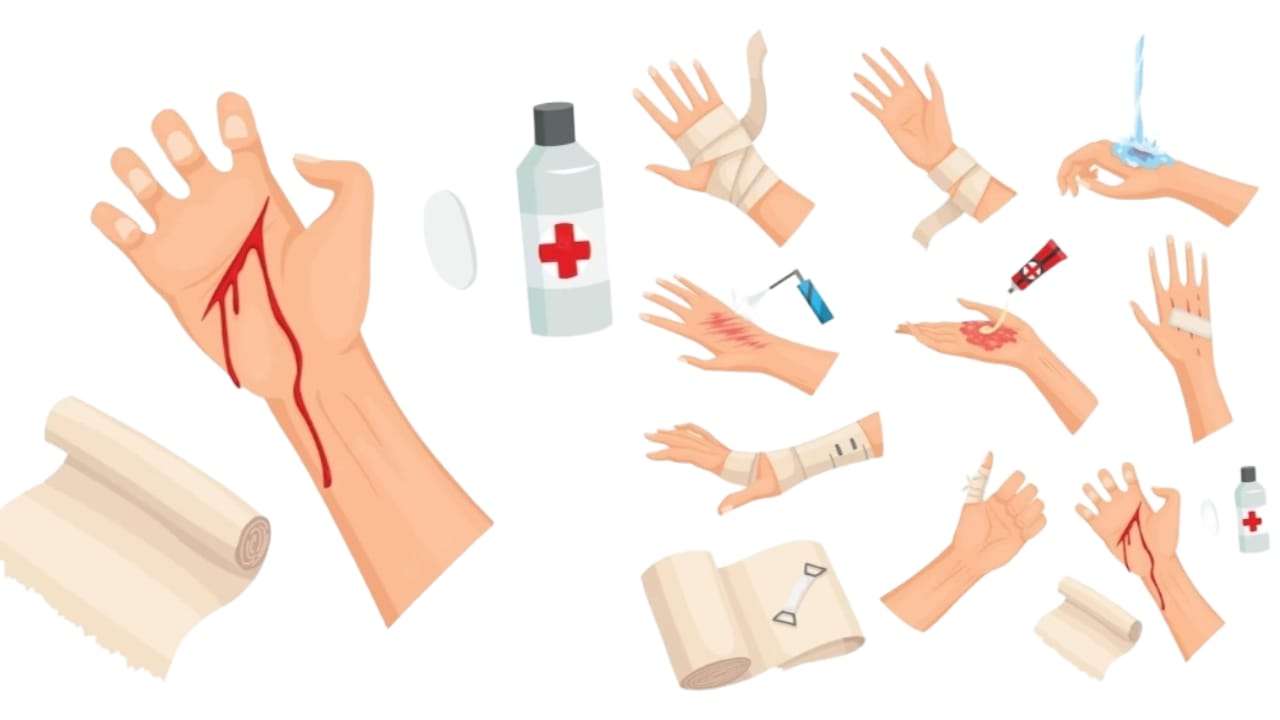
- External Hemorrhage: Picture cutting your finger and seeing blood flow out. This is an external hemorrhage—akin to water gushing from a punctured pipe. A scraped knee or a minor cut can mirror a localized pipe burst.
- Internal Hemorrhage: Now, envision bleeding occurring within your body, hidden from view. This is analogous to a concealed pipe leak within your walls. Internal hemorrhage, though unseen, can be more dangerous due to its hidden nature.

Exploring the Causes:
- Injury or Trauma: Imagine falling and sustaining a scraped knee. Just as this injury triggers bleeding, a car crash can damage blood vessels, causing leakage much like a damaged pipe.
- Medical Conditions: Consider high blood pressure or clotting disorders as weakening the “pipework.” These conditions make blood vessels more susceptible to leaks, similar to weakened pipes in a plumbing system.
- Surgery: Think of surgery as a plumber fixing a pipe. Sometimes, even after repairs, there might be residual leaks. Similarly, surgeries can lead to post-operative bleeding as the body heals.
Understanding How Hemorrhage Happens: The Inside Story
Hemorrhage might sound like a big word, but it’s basically bleeding that happens inside our bodies. Let’s break down how it works in a simple way.
Blood Vessels and Their Job: Our bodies have little tubes called blood vessels that carry blood around. Sometimes, these vessels might get hurt or damaged due to an injury or a medical condition. When that happens, bleeding can start inside.
Blood Clotting: Our body is pretty smart—it knows how to fix things. So, when there’s a cut or damage to a blood vessel, it sends special cells and tiny parts called platelets to the rescue. These platelets stick together and form a sort of “band-aid” to stop the bleeding. This process is like a natural repair job.
When Things Go Wrong: But sometimes, things don’t go as planned. If there’s a bigger injury or a problem with the blood vessels themselves, the body’s repair process might not work well. This can cause bleeding to continue, leading to a hemorrhage. It’s like the repair crew got overwhelmed.
Types of Hemorrhage: There are different types of hemorrhages depending on where they happen. If it’s inside the brain, it’s called an intracranial hemorrhage. In the body’s tissues, it’s an intramuscular hemorrhage. These names just help doctors understand where the bleeding is occurring.
Effects on the Body: Hemorrhages can lead to a few things. First, if a lot of blood is lost, it can affect how much oxygen reaches the body’s cells. Also, the body might not be able to carry away waste products as efficiently. This can impact the normal functioning of organs and tissues.
Spotting Hemorrhage: Recognizing the Signs
- Signs of External Hemorrhage: If a cut keeps bleeding excessively, it’s like a faucet stuck in the “on” position. Immediate action is essential to staunch the flow.
- Signs of Internal Hemorrhage: Picture inflating a balloon until it bursts. Similarly, internal hemorrhage could lead to symptoms such as pain, swelling, dizziness, or even fainting—an unexpected burst pipe disrupting your system.
Managing Hemorrhage: Equipping Yourself with Skills
- Prompt Action: Just as you’d attend to a leak in your home quickly, apply direct pressure to the bleeding area using a clean cloth or gauze. This helps control the bleeding, akin to shutting off a valve.
- Tourniquet Application: Imagine clamping a hose to stop water flow. In severe cases, a tourniquet—used judiciously—can be applied to the affected area. However, this should be a last-resort measure and used only temporarily to prevent complications.
- Utilizing Hemostatic Agents: Think of these agents as “quick-fix tools” that expedite blood clotting. These agents, such as gauze or bandages infused with clot-promoting substances, are like sealing a leak.
- Fluid Replacement: Imagine replenishing a water tank after a pipe burst. For significant blood loss, medical professionals might replace fluids intravenously to maintain your body’s balance.
Dos and Don’ts: Navigating Hemorrhage with Precision
Dos:
- Apply Pressure: Direct pressure on the bleeding area is your primary action.
- Seek Medical Help: For severe or uncontrolled bleeding, or if bleeding persists, medical attention is vital.
- Elevate the Injured Area: Lifting the affected part above heart level helps reduce blood flow and slow down bleeding.
- Stay Hydrated: Think of it as maintaining fluid levels in your plumbing system. Staying hydrated aids in blood volume stability.
Don’ts:
- Don’t Panic: Staying calm aids in effective response, so avoid panicking.
- Don’t Remove Blood-Soaked Dressings: Removing dressings disrupts clots and worsens bleeding.
- Don’t Use a Tourniquet Uninformed: Misusing tourniquets can cause harm. Use them as a last resort.
- Avoid Aspirin: Just as you’d avoid adding chemicals to your plumbing, avoid aspirin or blood-thinning medications during an active hemorrhage.
Conclusion:
Hemorrhage may disrupt your body’s balance momentarily, but your knowledge can restore harmony. By immersing yourself in its complexities, recognizing the signs, and applying first aid, you’re prepared to tackle this unforeseen challenge. Just as regular home maintenance prevents leaks, maintaining your health through precautionary measures, a healthy lifestyle, and swift medical intervention is key. As you navigate the intricate realm of hemorrhage, let your newfound wisdom guide you in confidently managing the unexpected, ensuring your body’s harmony remains intact.