
Table of Contents
Pharmacological Classification of Drugs
1. Sources of Drugs
Minerals: Compounds derived from minerals, such as iron supplements or calcium carbonate.
Animals: Drugs obtained from animal sources, including hormones like insulin and heparin from animal tissues.
Plants: Many drugs originate from plants, either in their crude forms or as refined active principles. Examples include atropine from belladonna, morphine from opium poppy, and quinine from cinchona bark.
Semi-synthetic: These drugs are partially synthesized from natural compounds. Examples include semi-synthetic penicillins, which are modifications of the naturally occurring penicillin.
Synthetic: These drugs are entirely synthesized in the laboratory. They include a wide range of medications, from pain relievers like aspirin to antibiotics like sulfonamides.
Biotechnology or Genetic Engineering: Advancements in biotechnology have enabled the production or modification of drugs using genetically engineered bacteria, plants, or animals. This includes drugs like human insulin produced by recombinant DNA technology.
2. Chemical Structure
Inorganic Salts: Simple compounds formed from metallic and non-metallic ions. Examples include magnesium sulfate and sodium chloride.
Organic Aliphatic Compounds: Organic compounds characterized by straight or branched carbon chains. Examples include alcohol and ether.
Organic Aromatic Compounds: Organic compounds characterized by benzene rings. Examples include aspirin and morphine.
3. Therapeutic Use
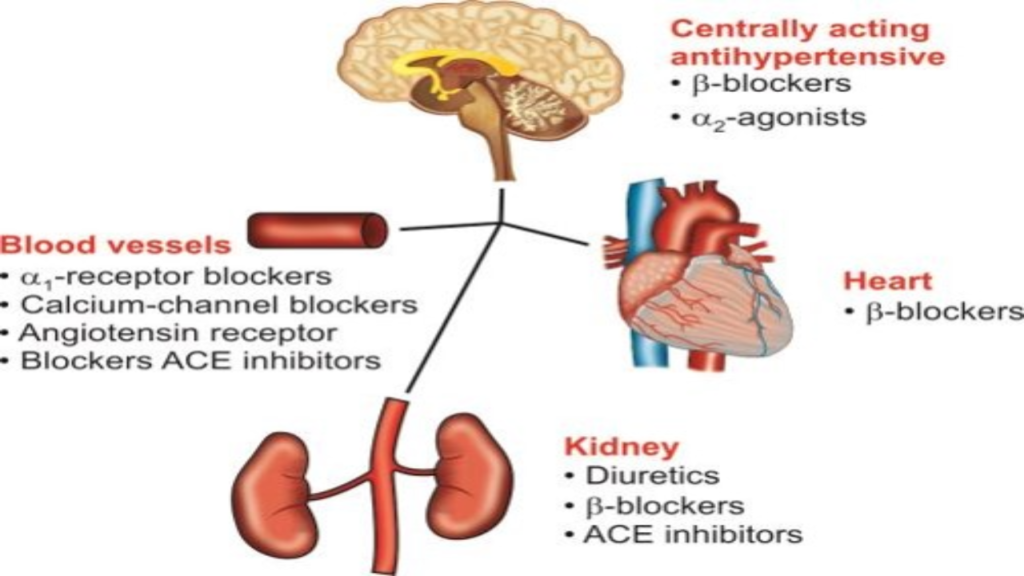
Antihypertensive Drugs: Medications used to lower blood pressure and manage hypertension, such as ACE inhibitors and beta-blockers.
Analgesics: Drugs used to relieve pain, including nonsteroidal anti-inflammatory drugs (NSAIDs) like ibuprofen and opioid analgesics like morphine.
Antimalarials: Medications used to prevent or treat malaria, such as chloroquine and artemisinin derivatives.
4. Site of Action
Drugs classified based on the physiological system or organ they affect, such as:
Autonomic Nervous System: Drugs that modulate the sympathetic and parasympathetic nervous systems, like beta-blockers and anticholinergics.
Central Nervous System: Drugs that affect brain function, including sedatives, antidepressants, and antipsychotics.
Cardiovascular System: Medications that regulate heart function and blood circulation, such as calcium channel blockers and antiarrhythmics.
5. Mechanism of Action
Drugs classified based on their mode of action, including:
Enzyme Inhibitors: Drugs that interfere with enzyme activity, such as ACE inhibitors for hypertension.
Receptor Agonists/Antagonists: Drugs that activate or block specific receptors in the body, like beta-agonists for asthma and beta-blockers for hypertension.
6. Prototype Drugs
Prototype drugs serve as representative examples of a drug class and are used to study the pharmacological properties of similar compounds.
For example, morphine is the prototype opioid analgesic, and acetylcholine is the prototype cholinergic drug.
Names of Drugs
1. Chemical name:
It describes the names chemically.
It is difficult, long and not suitable for use in prescribing drugs.
Chemical name: N-acetyl-p-aminophenol
3. Common name (generic name):
This name is given by an official agency such as WHO.
Generic name: Paracetamol
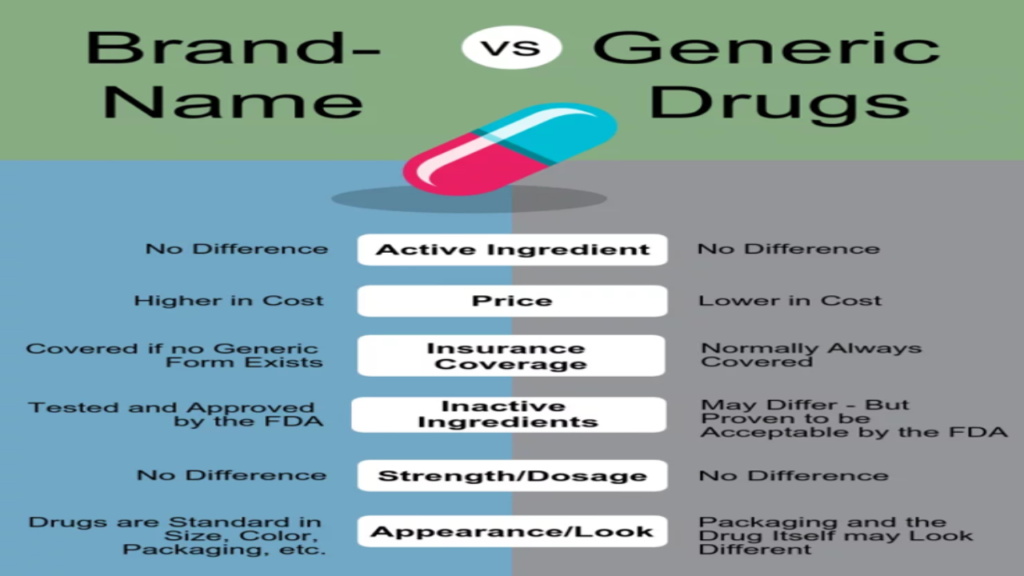
3. Trade or proprietary name:
This name is assigned by the manufacturer.
The trade names often confuse to the patient and prices of each brand may not be the same.
This also causes problem for the pharmacist, as he has to store the same drug under different trade names leading to heavy investment.
Trade name: Crocin, Calpol, Metalgin, Jagcin, Dolo, etc.
Dosage Forms According to Physical Form
Dosage Forms According to Physical Form
Dosage forms refer to the physical presentation of medications, which can vary depending on their intended route of administration and therapeutic purpose. Here’s a detailed explanation of different dosage forms based on their physical form:
1. Solids:
Tablets: Compressed solid dosage forms for oral administration, designed to dissolve in the gastrointestinal tract.
Capsules: Gelatin shells containing powdered or liquid medication, swallowed whole and dissolved in the stomach.
Powders: Finely ground substances for oral, topical, or inhalation administration, often mixed with liquids before consumption.
Suppositories: Solid dosage forms for rectal or vaginal administration, melting at body temperature to release the active ingredient
2. Liquids:
Mixtures: Liquid preparations with active ingredients dissolved or suspended in a liquid vehicle, shaken before oral administration.
Syrups: Concentrated solutions of medication combined with sweeteners for oral administration, ensuring accurate dosing.
Drops: Highly concentrated solutions or suspensions dispensed in dropper bottles for precise dosing in ophthalmic, otic, or nasal administration.
3. Semisolids:
Ointments: Semisolid preparations containing medication in a base like petroleum jelly, applied topically for local effects.
Creams: Semisolid emulsions of water and oil phases for easy application and absorption into the skin.
Pastes: Thick semisolid preparations with solid particles dispersed in a base, used topically for protective or soothing effects.
4. Inhalationals:
Gaseous inhalants: Administered via inhalation for respiratory support or anesthesia, including gases like oxygen or nitrous oxide·
Aerosols: Medications delivered using inhalers or nebulizers, producing fine droplets or particles for treating respiratory conditions such as asthma or COPD·
Essential Drug Concept
Defined by the WHO as drugs that satisfy the healthcare needs of the majority of the population.
Accessible: Should be available at all times in adequate quantities.
Affordable: Cost-effective for patients and healthcare systems.
Appropriate: Should meet quality standards and be suitable for the intended use.